Bodyswaps logo on orange background

De-escalation Roleplay

Tutor notes

Estimated module duration: 10 mins (dependent on customisation)

Helping someone who’s angry or distressed to calm down is no easy feat. How you respond can either help or hinder your effort; it can either defuse or aggravate the situation. In the heat of the moment, it’s hard to know what to do. 

Our De-escalation roleplay is an AI-powered, free-flowing conversation simulator where learners can practice verbal de-escalation techniques in a realistic, tense encounter with a distressed individual. It’s a psychologically safe space for learners to face the pressure of calming someone, without the real-world stakes of mishandling a volatile situation. 

At the end of the simulation, learners receive tailored feedback to discover where they did well and where they have room to improve their de-escalation skills.

About this resource

This document provides an overview of each of the learning activities featured in this programme, including:
Key learner outcome and goals
Characters & environments
Customisation
Roleplay experience
Analytics
Video previews

Key learner outcome and goals

Learning outcome

Practice your verbal de-escalation skills with an AI-powered distressed individual to build confidence and competency

Learning goals

  • Apply good active listening skills to help the distressed person feel heard
  • Demonstrate empathy to validate emotions and show you care
  • Use collaborative language and offer choice and compromise to restore agency and reach a resolution
  • Communicate with good eye contact and non-confrontational, open body language to ease tensions

Disclaimer about the roleplay

In this roleplay, learners will encounter an AI-powered character that is designed to behave angrily, be verbally disrespectful, and display significant distress.

The AI responses may be emotionally taxing or even triggering for some learners. Please use your own discretion when enrolling your learners onto this roleplay. 

We encourage you to ensure your learners are fully prepared for the scenario and can reach out to someone for support if needed. They can pause or exit the scenario at any time.

Disclaimer about AI

This De-escalation Roleplay simulator uses an LLM (large language model) to generate the virtual character’s responses, guide the direction of the conversation, and write personalised feedback for the learner. Furthermore, it is designed around a sensitive subject matter, where aggressive responses are part of the character’s intended behaviour. 

We have designed the prompts around the learning outcomes and goals of this simulator, and with strict conversation boundaries that prevent unintended or inappropriate use.

However, please be aware of the following limitations:

- Due to the large nature of its dataset, the LLM is prone to ‘hallucinate’, meaning it may generate information that appears factual but is incorrect, misleading, or entirely fabricated.

- It is impossible to predict everything that users may feed into the customisation fields and everything that they may say in the conversation. Therefore, unintended or misguided uses of the conversation customisation, deliberate attempts to manipulate the system, and unanticipated responses from the learner may cause unexpected outputs from the LLM that are beyond our control.

In short, please be aware that we cannot guarantee all AI-generated content will be accurate, appropriate, or aligned with educational objectives in all circumstances.

We appreciate any feedback about the performance of our simulators. We work hard to design and improve our LLM-based roleplays to give you a personalised, yet safe and impactful learning experience.

Customisation

The scenario and distressed individual can be customised in BSGO for a unique and personalised challenge:

- AI role: who is the AI roleplaying? 
- Learner role: who will the learner roleplay in this de-escalation scenario?
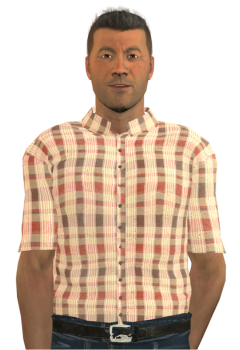
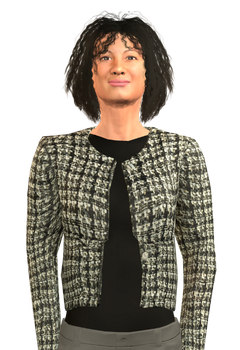
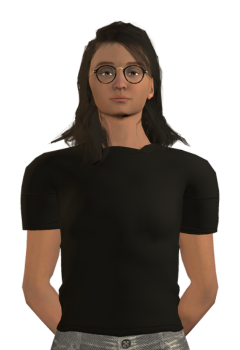
- AI avatar: you can choose from 12 avatars.
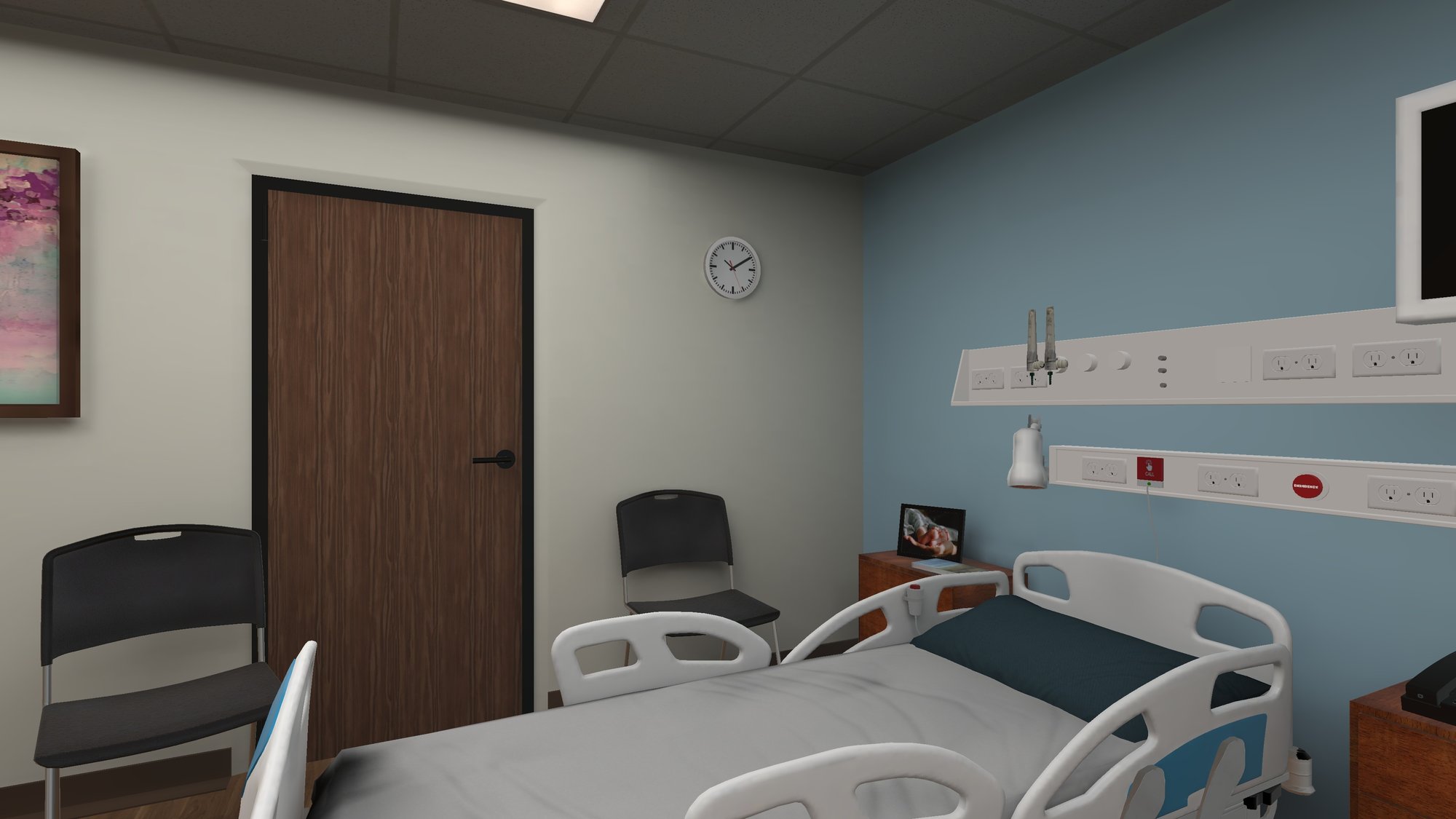
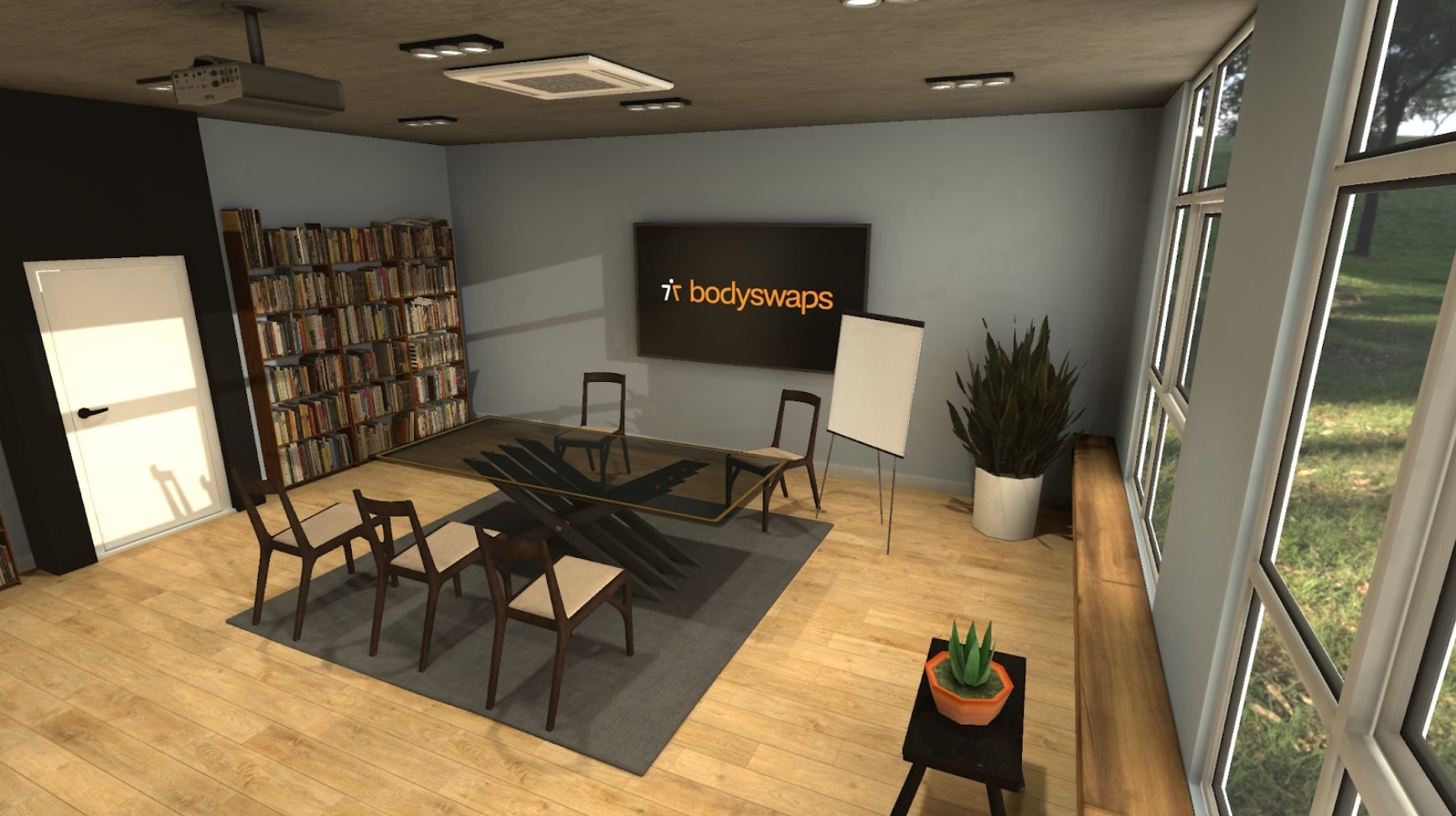
- Environment: you can choose from 12 environments. 
- Trigger event: what is the root cause of the character’s distress?
- Stress factors: what other factors are contributing to their upset?
- Current situation: what situation is the distressed person in because of the trigger event?
- Swearing toggle: turn on or off swearing from the AI character.
- Starting level of distress: you can choose from three levels: low, moderate, or high.

You can also edit technical details like the activity title, description, and instructions for the learner, based on how you tailor the scenario. 

AI avatars

Diya-1
Kareena
David-1
David
Eric (1)
Eric
Olivia
Madelyn
Anton
Gabriel
Fen
Kim
Geoffrey
Geoffrey
Mabel
Patricia
May
Maheen
Luis
Francis
Joe (1)
Jordan
Nicole
Nicole

Environments

Private hospital room - tutor notes

Medical room

informal_meeting_room-tutor notes

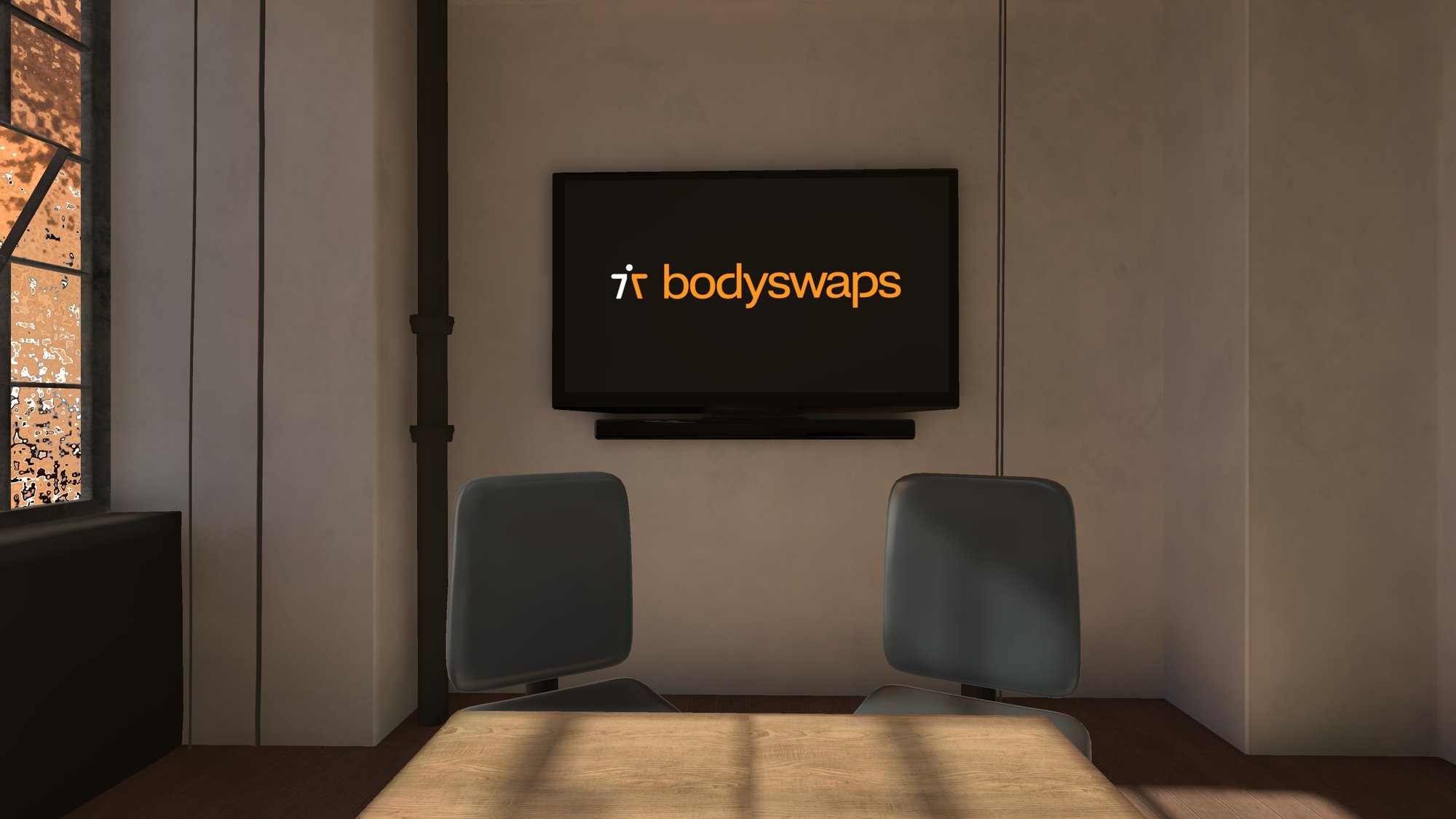
Meeting room

factory meeting room - tutor notes

Small office

breakout cafe room - tutor notes

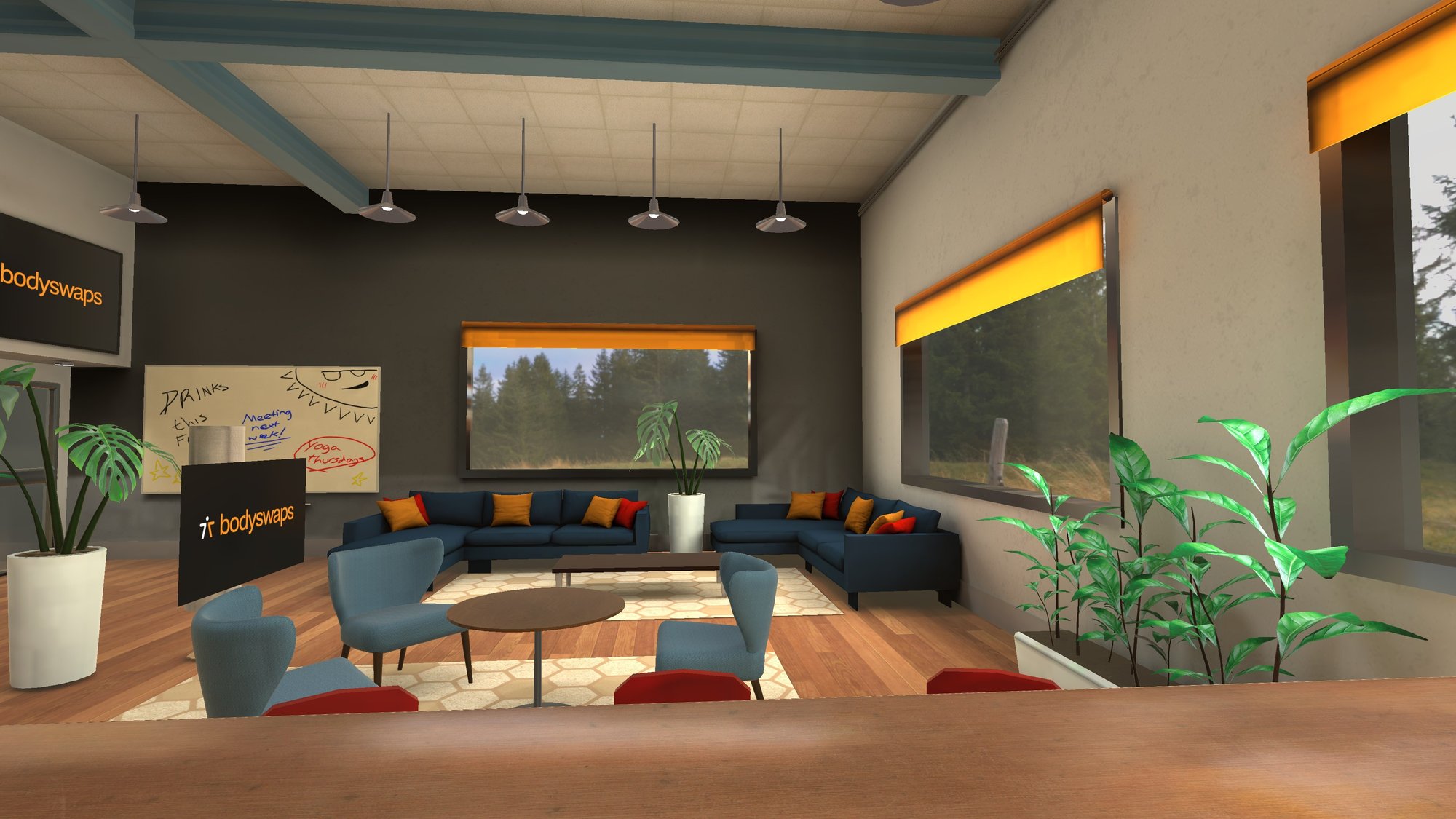
Café

Medical_Hospital_Reception_Environment

Hospital reception

Medical_Breast_Clinic_Room_Environment

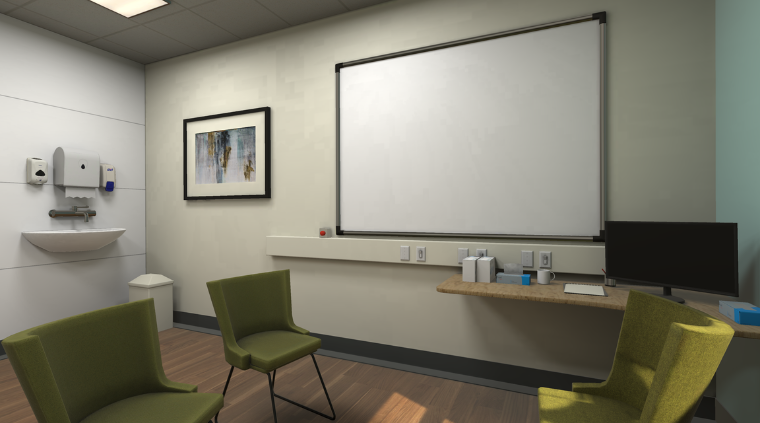
Medical consultation room

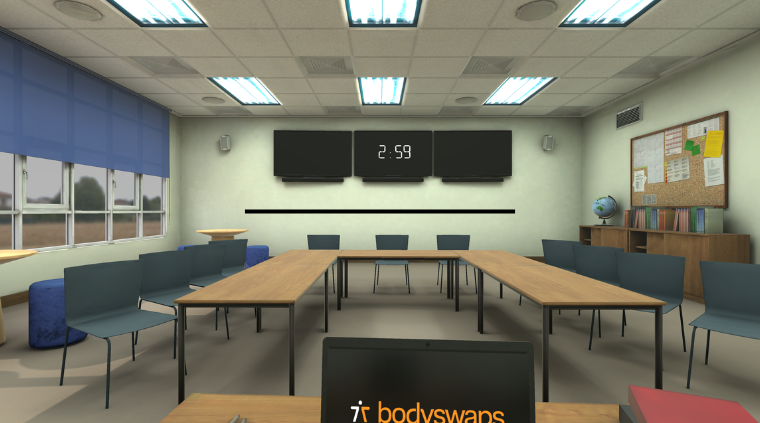
Class room

Classroom

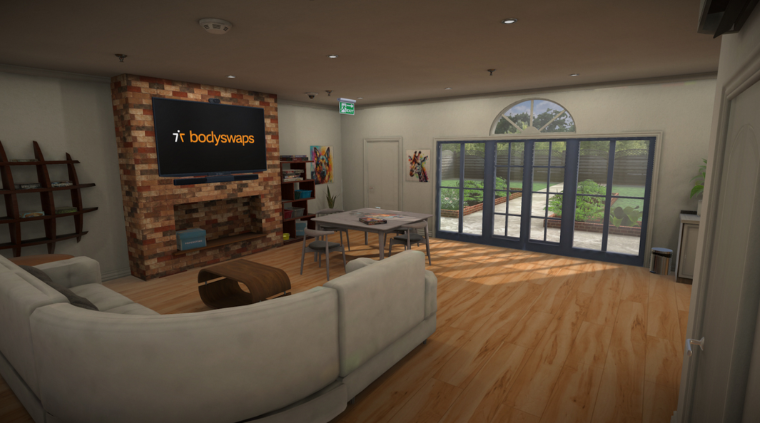
Group home

Residential care living room

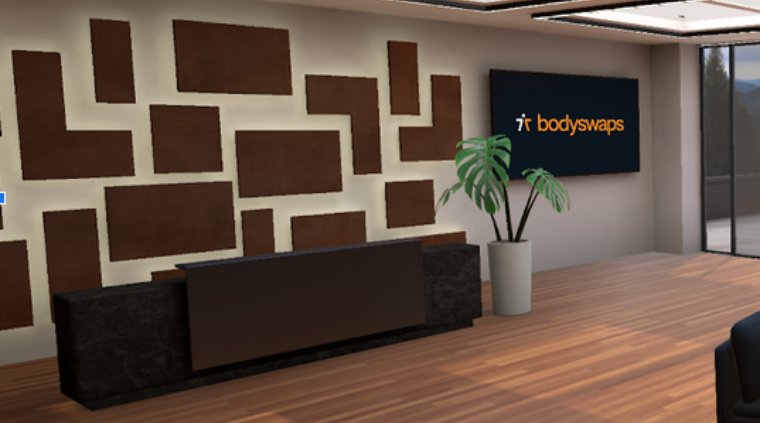
Reception desk

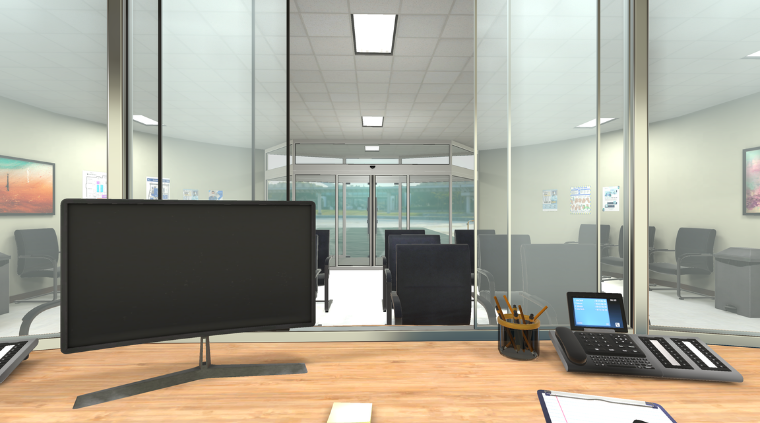
Reception desk

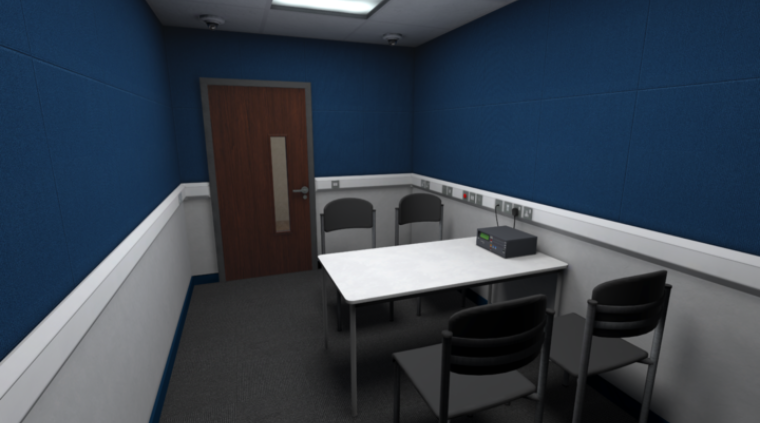
Policing interview room

Policing interview room

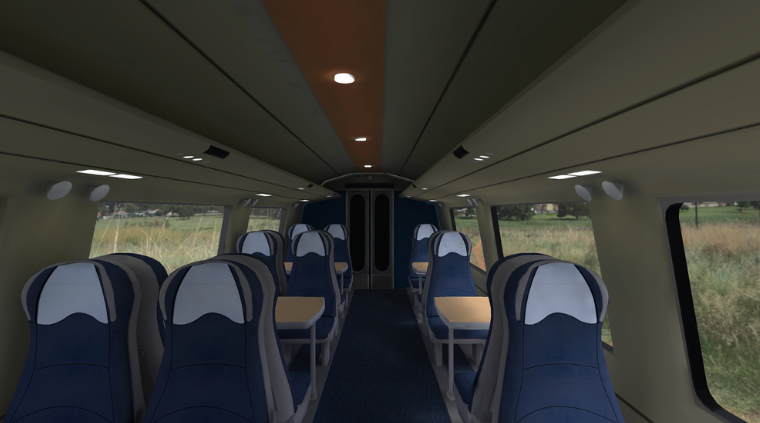
Train carriage

Train carriage

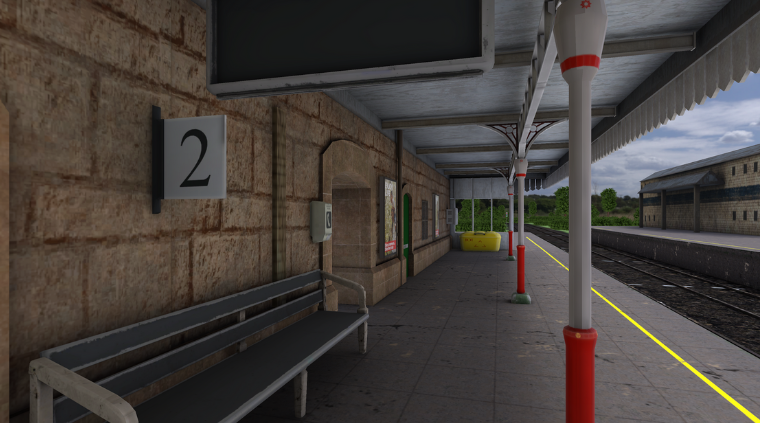
Train platform

Train platform

Roleplay experience

Upon entering the simulator, learners will see the customised instructions in a text pop-up, offering guidance on what to expect and what their goal is. Then, it’s time for them to try and help the distressed individual calm down.

The conversation flows back and forth with exchanges between the AI-powered character and the learner. The distressed individual will open the conversation with a noticeably upset and demanding remark, the intensity of which depends on the starting level of distress. The learner then responds in their own words, then the AI replies, and so on. The AI will adapt the severity of their mood and progress the conversation based on whether the learner’s responses are defusing or aggravating. 

If the learner can provide tactful responses that demonstrate good de-escalation skills like active listening, empathy and validation, collaborative language, and offering choice and compromise, they’ll see the distressed individual gradually calm down and reach a state of recovery and resolution. 

Conversely, aggravating responses like disrespectful language, dismissiveness, or self-focused behaviours will upset the person further and cause tempers to rise, until they eventually become inconsolable and no longer willing to talk.

The conversation comes to a conclusion in one of two ways: when the distressed individual reaches a state of calm, or if they have unfortunately become irate beyond recovery. Afterwards, the learner can view personalised, AI-powered feedback on their use of fundamental de-escalation skills to see where they did well and where they went wrong.

Analytics and feedback

When the learner’s conversation with the distressed individual concludes, a pop-up panel offers written advice on the various skills they displayed. Feedback about their verbal de-escalation skills is LLM-generated and feedback on their non-verbal skills is pre-scripted by our learning designers. 

Short text summaries explain where they excelled and where they could improve in future, using examples from their transcript. 

Learner performance is measured based on these key verbal and non-verbal de-escalation skills: 

- Active listening: Asking open questions, paraphrasing, and seeking clarification helps demonstrate understanding and engagement, and crucially reduces tension. 
- Empathy and validation: Acknowledging and validating feelings in a meaningful way and keeping focus on the individual shows real care and a desire to help them. 
- Collaboration, choice, and compromise: We can help to restore a person’s agency and sense of calm by using language that expresses a desire to collaborate or compromise to find a solution, as well as reassuring the distressed individual that their choice matters.
- Eye contact (VR only): Making frequent, but not excessive, eye contact conveys engagement and empathy. 
- Body language (VR only): Adopting a relaxed, open posture creates a calm and non-confrontational aura.

Alongside the LLM-generated text feedback, the learner receives an overall performance rating for each skill: Needs work, Good, or Excellent. This performance rating is based on how effectively and consistently they demonstrated the skill, as well as if they made mistakes and if they have room for improvement. 

More specifically, a ‘Needs work’ rating is given where there is little to no demonstration of the skill throughout the conversation, with mostly ineffectual attempts and room to improve. ‘Good’ is given where there were a few earnest and noteworthy shows of the skill, but there were also some mistakes that led to an inconsistent display. ‘Excellent’ is given when there were consistently strong applications of the skill, even if there were one or two slip ups. 

The learner can also view the full conversation transcript in this pop-up panel, to help them further self-reflect on where they excelled and where they have room to improve.

Exit survey

Purpose

Assess the effectiveness of the roleplay itself

Location

N/A

Characters

N/A

Journal

N/A

Duration

1:00

*Varies depending on the learner's choices and interactions.

Before the learner leaves the roleplay, they are asked to complete a short survey about their experience.

This data helps us to assess the effectiveness of our product and identify any areas that need improvement. Clients also find it beneficial when assessing ROI. 

They are asked to mark whether they agree or disagree with the following statements, on a 10 point scale:

  • Avatar's responses were realistic and appropriate. 
  • Analytics feedback was useful and accurate. 
  • I would recommend this experience to others.
White Bodyswaps logo on blue background
31 New Inn Yard, EC2A3EY, London
+44(0)79 1773 5078

hello@bodyswaps.co
bodyswaps.co